“Lithium-ion” is an umbrella term. Every lithium-ion cell works the same basic way, with lithium ions travelling from one electrode to the other as it charges and back again as it discharges. What changes from one battery to the next is the choice of materials, above all in the cathode.
Those materials decide how a battery behaves while it is in service. They also decide what can be recovered from it at the end, which is why chemistry is one of the first things we ask about when we evaluate scrap.
NMC (nickel manganese cobalt)
NMC packs a lot of energy into a small space, so it is a common choice for electric vehicles, e-bikes and power tools. Its cathode contains nickel, manganese and cobalt, all of which are valuable to recover.
LFP (lithium iron phosphate)
LFP is known for lasting through many charge cycles and for being thermally stable. It is now widely used in energy storage, electric buses, two- and three-wheelers and some cars. Because an LFP cathode has no nickel or cobalt, it is valued and processed differently from other chemistries at end of life.
LCO (lithium cobalt oxide)
For many years LCO has been the go-to chemistry for phones, laptops, cameras and other portable devices where small size matters. Its cathode is high in cobalt.
LMO, NCA and LTO
LMO (lithium manganese oxide) turns up in some power tools and medical equipment, and is often mixed with NMC. NCA (nickel cobalt aluminium) is used in certain electric vehicles because of its high energy density. LTO (lithium titanate) differs in that it changes the anode rather than the cathode, and is chosen for very long life and fast charging in some specialist uses.
The shape of the cell matters too
Chemistry tells only part of the story. Cells are also made in several physical formats:
- Cylindrical, for example 18650, 21700 and 26650 cells
- Prismatic: hard-cased rectangular cells, often found in EVs and storage systems
- Pouch: soft, flat cells used in phones, tablets and some vehicles
Why it matters when a battery is scrapped
Each chemistry contains its own mix of materials and is suited to particular recovery processes. Separating batteries by chemistry and format helps every lot reach the right place and makes the evaluation more accurate. To find out what you have:
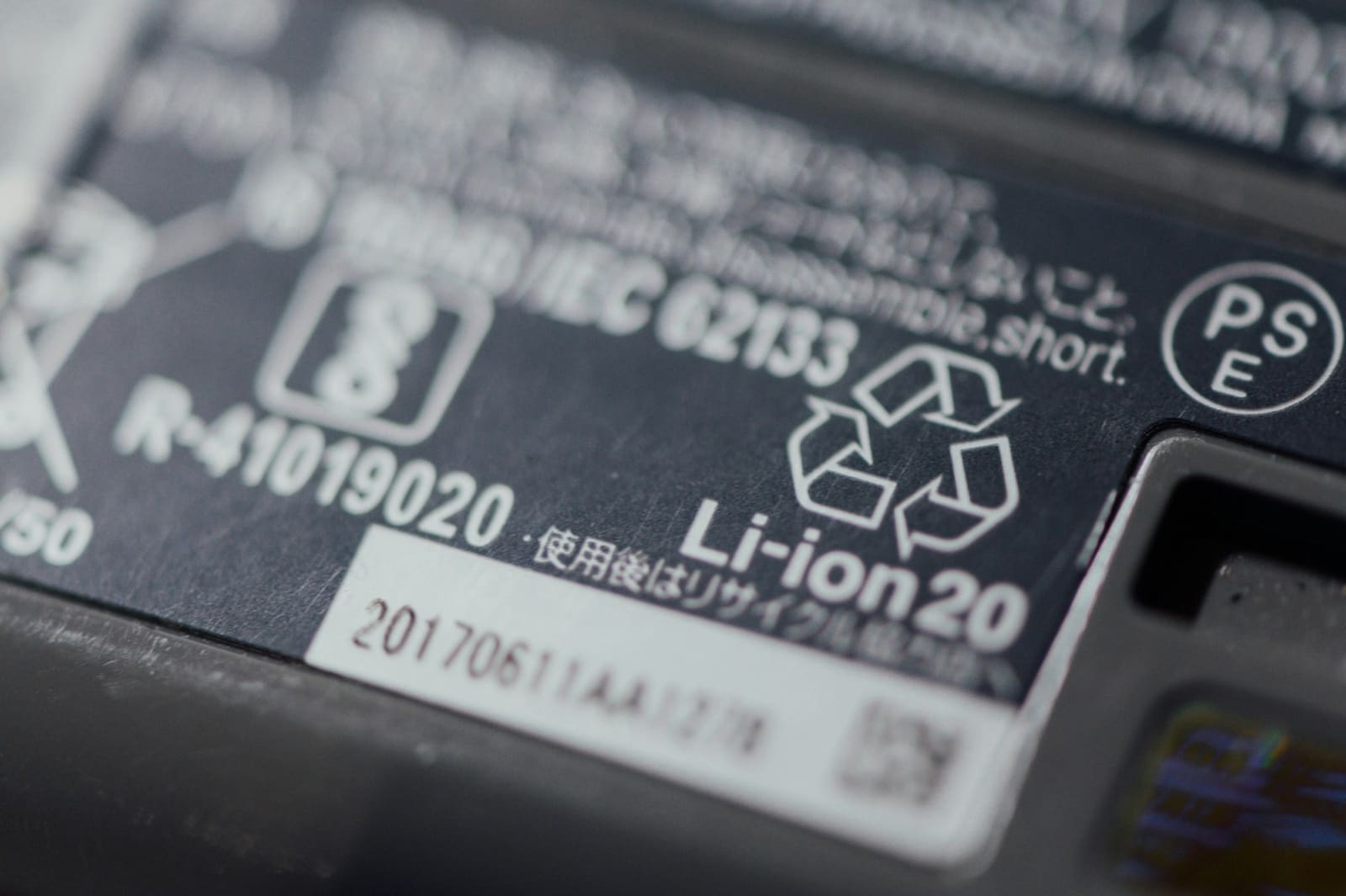
- Look for labels and markings on the cell or pack
- Check the datasheet or your purchase records
- Write down model numbers and what the battery was used in
- Take clear photos if you're still unsure
Still can't tell?
Mixed and unmarked lots are very common. Send us photos and any details you have, and our team will help identify the material before we evaluate it.
This article offers general information only and should not be taken as legal, safety or compliance advice. Always follow the regulations and guidance that apply to your own site and material.
Back to all articles